A healthy pet is a happy pet
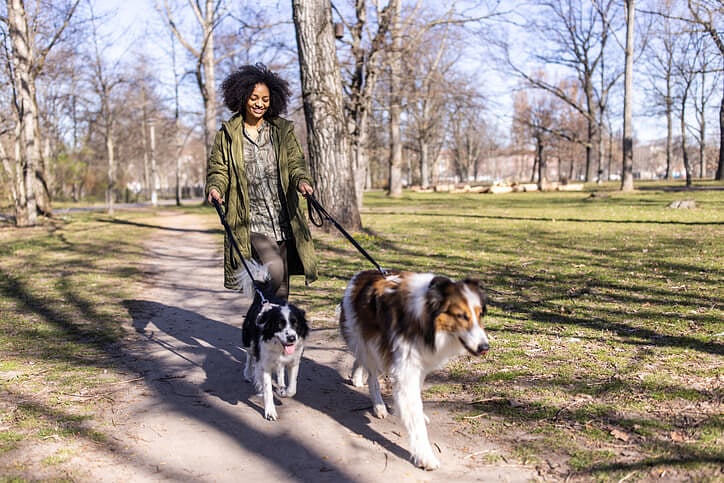
If there's one thing most dogs never say no to, it's a walk. Whether it's a quick trip around the block or a longer adventure at the park, walk time gives dogs the chance to do what they love most: explore. From sniffing every tree in sight to greeting fellow four-legged friends, these daily outings do far more than help them burn off energy.
At First for women, we know pets aren't just pets, they're part of the family. We also understand the importance of keeping them healthy. That's why First for Women Pet Insurance offers a range of cover options to help pet parents care for their pets through every stage of life, from everyday care to unexpected trips to the vet. Because when it comes to the companions who bring us so much joy, their wellbeing deserves attention both on and off the leash.
Our pets rely on us to help them live happy, healthy lives, and one of the easiest ways to do that is by making time for a daily walk.
Walking your dog is good for their well-being A daily walk is one of the simplest ways to support your dog's overall health and happiness. Beyond being a chance to stretch their legs, regular walks provide physical exercise, mental stimulation and opportunities to explore the world around them.
1. It keeps them fit
Looking after your dog’s wellbeing goes beyond vet visits and insurance cover. Just like us, dogs need regular exercise to stay healthy. Daily walks help keep their weight in check, support healthy joints and give them an outlet for all that energy. A well-exercised dog is often calmer, happier and less likely to turn your favourite pair of shoes into a chew toy.
2. It Gives Their Brain a Workout
For dogs, the world is experienced through smell. What looks like an ordinary walk to you is a whole new adventure to them.
New routes, unfamiliar scents and different surroundings keep their minds engaged and help prevent boredom. A dog that's mentally stimulated is more likely to be content and less likely to develop unwanted habits at home.
Every Walk Counts While daily walks play an important role in keeping your pet happy and healthy, they're only one piece of the puzzle. Regular vet check-ups, preventative care and being prepared for the unexpected all contribute to your pet's overall wellbeing.
And while you can't always predict what tomorrow will bring, First for Women Pet Insurance can help you prepare for it, so you can focus on enjoying more walks, more adventures and more tail-wagging moments. First for Women Pet Insurance offers a range of plans to suit different needs and budgets. Whether you're looking for affordable accident cover, for hospitalisation due to accident or illness, or more comprehensive cover that includes additional benefits, there’s an option to help you care for your pet when they need it most.
FAQs
Why should you walk your dog?
Regular walks play an important role in keeping dogs fit, active, and at a healthy weight. They support heart health, strengthen muscles, and help maintain joint mobility, which becomes increasingly important as dogs age. But walking your dog is about much more than just a bathroom break. It provides essential exercise, mental stimulation, opportunities to socialise, and valuable training moments. As an added benefit, those daily walks encourage you to get outdoors too, supporting your own physical health and overall well-being.
What are the signs that my dog needs more exercise?
Restlessness, excessive barking, destructive behaviour and weight gain can all be signs that your dog may benefit from more physical activity. If you're unsure, consult your veterinarian for guidance.
What are the mental health benefits of walking my dog?
Walking your dog may promote the release of endorphins and serotonin, which can support improved mood and help reduce feelings of stress and anxiety.
How often should I walk my dog?
As a general rule, most dogs need one to two walks a day, adding up to around 20 to 30 minutes of exercise. However, there's no one-size-fits-all approach. The right walking routine depends on your dog's age, breed and overall health.
-
Age: Puppies benefit from shorter, more frequent walks to support their development without putting strain on growing joints. Senior dogs may prefer gentler strolls that help keep them active and mobile.
-
Breed: Some breeds, particularly working and high-energy dogs, need more exercise to stay physically and mentally stimulated. Others, such as flat-faced breeds, are better suited to shorter, lower-intensity walks.
-
Health: Dogs with health concerns such as arthritis or weight-related issues often benefit from regular, low-impact exercise tailored to their individual needs and comfort levels.
Top tip: If your dog seems restless, is chewing furniture or constantly looking for attention, it could be a sign that they need more physical activity or mental stimulation. Regular walks are a simple way to help keep them happy, healthy and engaged.
1st for Women is a licensed non-life Insurer and Financial Services Provider. Benefits are plan dependent. T’s and C’s online.

We Have Great
Insurance Products
At 1st for Women we know that each
woman is an individual who has
different needs.