5 Proven Business Car Insurance Hacks for 2026
For small business owners, artisans, and independent professionals, Business Car Insurance is no longer a “set and forget” decision. Increasing premiums, tighter underwriting, and evolving risk profiles mean failing to align your cover with your 2026 needs could cost your business more than you expect. This guide will help you make smarter, faster decisions – from avoiding common policy gaps to ensuring your vehicle is properly covered for work use. With First for Women, you’ll get answers to the key questions business owners are asking right now and find out how to protect your enterprise without paying for cover you don’t need.
Why optimising Business Vehicle Insurance matters in 2026
Small businesses in South Africa are operating in an environment where more than half of enterprises report they may not survive beyond a year under current conditions, with cost pressures increasing across raw materials, transport, and utilities, and only one in four reporting any growth, according to Absa’s 2025 Small Business Growth Index. This context underscores the need to get the fundamentals right. In 2026, Commercial Vehicle Insurance is being shaped by claims inflation, rising repair costs, and increasingly complex vehicle technology, all of which are driving premiums higher for small businesses. At the same time, tighter regulatory requirements and greater operational risk mean underinsurance can ultimately be more costly than paying high premiums. Understanding how to reduce Business Car Insurance premiums without compromising cover is essential. By taking a strategic approach, business owners can uncover smart ways companies can optimise Business Car Insurance costs while staying compliant and protected.
Understand what really drives your Business Car Insurance premium
Company Car Insurance premiums are calculated using a mix of risk indicators that insurers rely on to predict accident frequency versus claim severity. Key factors that influence Business Vehicle Insurance pricing and claims include your claims history, how the vehicle is used day to day, and the risk profile of named drivers. Annual mileage, vehicle type, and geographic exposure all play a role, particularly in higher-risk areas. Just as important is understanding excess structures and policy limits for business vehicles. Choosing a higher excess can significantly reduce your premium, but it must be weighed against the cost of an affordable claim.
1. Learn how to leverage telematics and usage data
Telematics is becoming a powerful tool for reducing costs by providing insurers with clearer insight into real-world driving behaviour. These usage-based insurance models track data such as braking, mileage, routes, speed, and time of day, helping insurers assess risk more accurately. Safer driving behaviour can translate into telematics-based insurance discounts, while route optimisation and faster theft recovery further reduce exposure. As pricing models evolve, telematics is playing an increasingly important role in driver training and claims reduction, creating long-term savings rather than short-term premium cuts. Key telematics benefits include:
-
Improved driver behaviour scoring and incentives
-
Lower accident frequency and reduced claims costs
-
Route optimisation to minimise risk exposure
-
Enhanced vehicle recovery in the event of theft
2. Align cover with actual business risk
One of the most effective ways to align Vehicle Insurance cover with operational business risks is to go beyond generic policies and assess how your vehicle is actually used. Overinsurance wastes money, while gaps in cover can expose your business to serious financial and compliance risk – particularly for small businesses still unclear on when personal Car Insurance no longer applies to business use. Start by identifying vulnerabilities: who drives the vehicle, where it operates, what it carries, and whether it is used after hours or across regions. Engaging drivers and managers helps surface risks that aren’t always obvious.
Next, assess and prioritise the risks by analysing both their likelihood and impact. For example, frequent short trips may increase accident risk, while cross-border travel can raise insurance compliance and licensing costs. Quantifying the risks in business terms makes cover decisions clearer. From there, develop and implement control measures, such as driver training, usage restrictions, or adjusted excess levels, and assign oversight responsibility. This is particularly important when choosing the right cover types for company-owned and employee-used vehicles. Finally, monitor and review regularly by tracking claims trends, reviewing risk indicators, and communicating any changes so your cover accurately reflects how your business operates.
3. Keep vehicle values accurate and updated
Keeping vehicle values accurate is vital for controlling costs and avoiding disputes at the claim stage. Insuring at market value rather than retail value can significantly affect both premiums and settlements, especially during periods of inflation and vehicle price volatility. Underinsuring may leave your business financially vulnerable, while over-insuring leads to unnecessary premium spend. Declaring accessories and modifications correctly is equally important, as undeclared items may not be covered. Understanding how accurate asset valuation improves claims outcomes and premium fairness starts with annual asset valuation reviews to ensure your policy reflects the true, current value of your business vehicle.
4. Preventive maintenance reduces claims and downtime
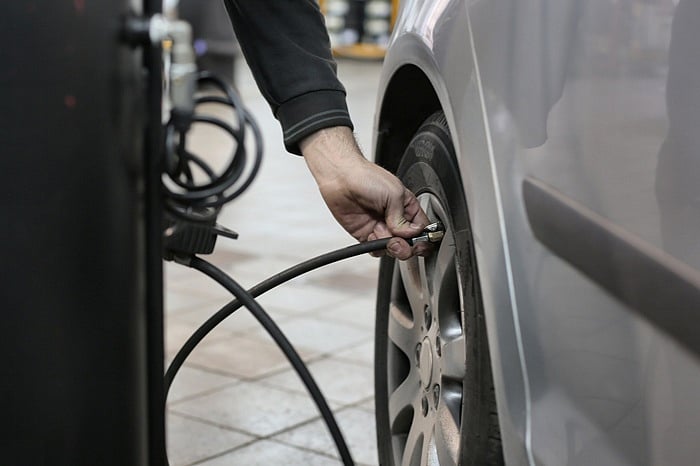
Regular preventive maintenance plays a significant role in reducing risk, particularly for businesses that rely on frequent travel. Sticking to maintenance schedules for brakes, servicing, and tyres lowers the chances of accidents and mechanical failures that lead to claims. Roadworthy compliance is also critical – poorly maintained vehicles can invalidate cover or delay claims. Beyond safety, well-maintained vehicles experience fewer breakdowns, keeping operations moving and costs under control. Understanding how preventive maintenance lowers insurance exposure and downtime helps business owners protect both their vehicles and their income.
5. Invest in driver behaviour and training
For small business owners, people risk is often the biggest – and most controllable – factor affecting costs, especially when an employee uses a work vehicle like a bakkie or van. Investing in defensive driving training helps reduce accidents before they happen, directly supporting driver training and claims reduction. Clear incident reporting protocols ensure issues are addressed quickly and consistently, while incentive programmes encourage safer driving. When combined with telematics feedback loops, these measures show insurers how to reduce Business Car Insurance premiums without compromising cover, by actively lowering real-world risk rather than cutting protection.
Frequently asked questions
-
How can businesses lower their Vehicle Insurance premiums?
Businesses can lower premiums by improving driver behaviour, installing tracking devices, maintaining vehicles regularly, reviewing excess levels, and keeping vehicle values accurate. Fewer claims and a stronger risk profile typically lead to better renewal pricing.
-
Does telematics really reduce Business Car Insurance costs?
Yes, telematics monitors driving behaviour, mileage, and exposure to risk. Insurers often reward safer driving with discounted premiums, improved claims handling, and more predictable long-term pricing.
-
Should businesses insure vehicles at market or retail value?
Retail value offers stronger protection for newer vehicles but usually costs more. Market value can reduce premiums but may create funding gaps after a total loss. Annual reviews help maintain the right balance.
-
How does excess selection affect Business Vehicle Insurance?
Higher excess levels lower premiums but increase out-of-pocket costs during claims. Excess should align with cash flow, claim history, and risk tolerance.
-
Can driver training improve insurance performance?
Yes, driver training reduces accident frequency and long-term claims exposure, which insurers often reward at renewal.
Get a Business Car Insurance quote
Choosing the right cover option doesn’t have to be stressful. Get a tailored Business Car Insurance quote from First for Women so your business vehicle is properly protected in 2026 and beyond. Our team is ready to answer any questions and help you find the right cover that fits your business needs.
—-------------------------------------------------------------------------------------Sources:
Absa: Small Business Growth Index (2025)
Disclaimer: The information in this article is provided for informational purposes only and should not be construed as financial, legal, or medical advice. First for Women is a licensed non-life insurer and FSP, Ts & Cs online.

We Have Great
Insurance Products
At 1st for Women we know that each
woman is an individual who has
different needs.